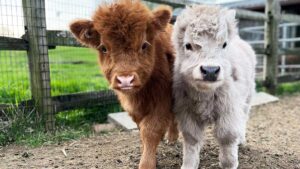
Owning miniature cattle is a growing dream for many UK smallholders and hobby farmers and many don’t know the Steps to Own a Mini Cattle in the UK. It’s easy to see why—with their manageable size, docile temperaments, and undeniable charm, breeds like the Dexter or Miniature Hereford seem like the perfect “entry-level” livestock.
However, in the eyes of the British government, a 90cm Miniature Hereford is exactly the same as a 1,000kg commercial bull. There are no exemptions for “pet” cows. Whether you keep one or one hundred, you are legally a cattle farmer.
This guide skips the fluff and walks you through the exact, actionable steps to legally and ethically own miniature cattle in the UK, from obtaining your holding number to bringing your first calves home.
Step 1: Navigate the Legal “Red Tape” First
Before you even look at a breeder’s website, you must set up your legal infrastructure. In the UK, you cannot legally buy or move a cow onto your land without these three pillars in place.
1. Get Your CPH Number
The County Parish Holding (CPH) number is the unique ID for the land where the animals will live.
- How to apply: Contact the Rural Payments Agency (RPA) if you are in England, or the equivalent devolved body in Wales (RPW) or Scotland.
- Timeframe: It usually takes 2–4 weeks to process.
- Cost: Free.
2. Register as a Cattle Keeper
Once you have your CPH, you must register with the Animal and Plant Health Agency (APHA). They will issue you a Herd Mark. This is a 6-digit code unique to your herd, which is used for ear tags.
3. Enroll with the BCMS
The British Cattle Movement Service (BCMS) runs the Cattle Tracing System (CTS) Online. You must set up an account here. This is where you will report every movement (buying, selling, or moving to a vet) and apply for cattle passports.
Pro Tip: Do not skip this. If you are found keeping cattle without a CPH number, you face heavy fines and your animals could be seized.
Step 2: Prepare Your Land and Housing
A common myth is that mini cattle can live in a large back garden. They cannot. They are agricultural animals that require pasture rotation and sturdy infrastructure.
How Much Land Do You Need to own a mini cattle farm in the UK?
For true miniature breeds (under 42 inches), the general rule of thumb in the UK is 0.5 to 1 acre per cow. However, cows are herd animals and must be kept in pairs or groups. You should plan for a minimum of 2 acres for a pair to allow for paddock rotation. If you overgraze a small plot, it will turn into a mud bath in the British winter, leading to health issues like mud fever.
Fencing Requirements
Standard post-and-rail or stock fencing (pig netting) is essential. Electric tape is useful for strip grazing, but it should not be your primary perimeter fence.
- Height: Mini cattle can jump surprisingly high if spooked. Ensure fences are at least 1–1.2 metres high.
Shelter and Winter Housing
Under the Animal Welfare Act 2006, you must protect animals from extreme weather.
- Summer: Natural shade (trees) or a three-sided field shelter.
- Winter: In the UK, pasture often becomes waterlogged from November to March. You will likely need a hard-standing area or a barn to house them during these months to protect the ground and the animals’ feet.
Step 3: Choose the Right Breed for the UK Climate
Not all “mini” cows are created equal. Some are naturally small ancient breeds, while others are “bred down” using genetics that can sometimes compromise health.
The Dexter (The UK Native Choice)
The Dexter is the smallest native British breed. They are not “shrunken” cows; they are naturally small, hardy, and thrive on rough UK grazing.
- Temperament: Generally intelligent and docile, though protective mothers.
- Availability: High. You can find registered breeders via The Dexter Cattle Society.
Miniature Hereford
These are classic Herefords bred for smaller stature. They are known for being incredibly docile and easy to handle—often described as the “golden retrievers” of the cattle world.
A Note on “Micro-Highlands”
Be cautious of breeders selling “Micro-Highlands” for astronomical prices. There is no official breed registry for “Mini Highland” cattle. Often, these are runts, crossbreeds, or animals carrying the chondrodysplasia (dwarfism) gene. Always check the lineage.
Step 4: Budgeting for the Real Costs
The purchase price is just the entry fee. The maintenance costs of keeping cattle in the UK are significant.
| Expense Item | Estimated Cost (UK) | Notes |
| Purchase Price | £700 – £3,000+ | Dexters are cheaper; rare “pets” cost more. |
| Feed & Hay | £300 – £500 per head/year | Higher if you have poor winter grazing. |
| Vet & Meds | £200+ per year | Includes routine worming and unforeseen calls. |
| TB Testing | Varies | Gov’t pays for mandatory routine tests; you pay for pre-movement tests. |
| Public Liability Insurance | £150+ per year | Essential if cattle escape onto a road. |
Step 5: Master the Husbandry (Daily Care)
Owning cattle is a 365-day commitment. There are no days off.
- TB Testing: The UK is divided into TB risk areas. Depending on your location (e.g., the South West vs. East Anglia), you may be legally required to herd your cows into a crush for TB testing every 6 or 12 months. You must have a handling pen or crush. You cannot test a cow safely in an open field.
- Tagging: If you breed your cattle, you must tag calves within 20 days of birth (dairy) or 20 days (beef) and register them for a passport.
- Fly Strike & Worming: You need a plan for parasite control, usually involving pour-on treatments in summer and wormers in spring/autumn.
💡 Expert “Pro-Tip” Section: The “Buddy System”
Don’t buy just one.
Many first-time owners try to buy a single steer (castrated male) as a pet to keep the grass down. This is a welfare issue. Cattle are herd animals with complex social hierarchies. A lone cow is a stressed cow; they will bellow for company, try to escape, and become difficult to handle.
The Solution: If you only want one “cow,” buy a steer and pair it with a wether (castrated male sheep) or, ideally, another steer. Two miniature steers make the best low-maintenance pets.
Check out available mini cows in our Sale Barn
Frequently Asked Questions
Legally, if your garden is registered with a CPH number, yes. Practically, no. A single cow produces roughly 30kg of waste a day. Your lawn will be destroyed within weeks.
Yes. All movements (on and off your land) must be reported to the BCMS within 3 days. You generally do not need a paper license for every trip, but the movement must be digitally recorded.
Even a “mini” cow weighs 300–500kg. If they are frightened or protecting a calf, they can cause serious injury. Always treat them with respect and ensure you have proper handling equipment (gates and a crush).
A Dexter Steer. Steers (neutered males) are generally calmer than heifers and don’t have the hormonal cycles or risks associated with bulls. Dexters are hardy, readily available in the UK, and forgiving of beginner mistakes regarding feed.